The lights dim, and the chaotic energy of the convention center floor finally fades away. For many healthcare marketing teams, this moment feels like the ultimate finish line. You’ve survived the logistics of getting your team and booth to the venue, the long days, and stress of having to be continually “on” for booth visitors. However, treating the end of the event as the end of the strategy is an expensive mistake that can drain the value from your investment. The real work of turning a brief interaction into a long-term pipeline is only just beginning. Slate360 offers some guidance.
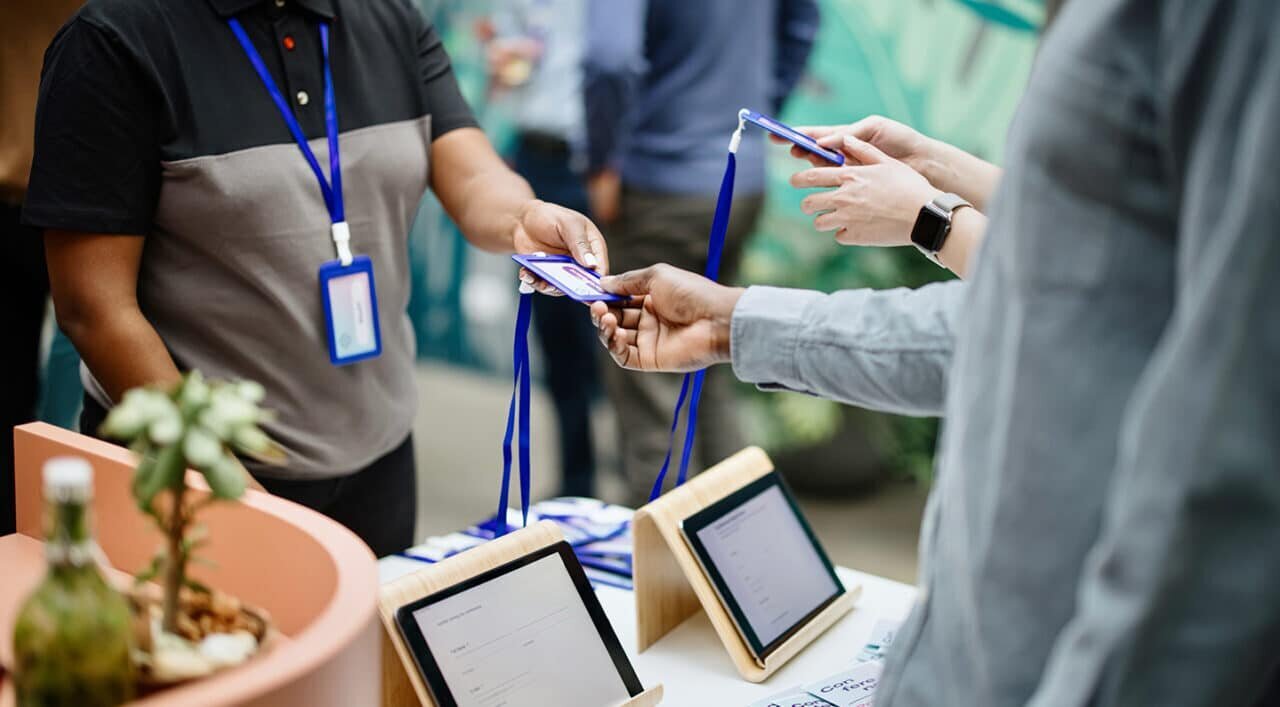
Many companies struggle with a post-event lapse because they lack a comprehensive strategy that connects the booth to the broader business goals. It’s easy to feel a sense of accomplishment when you’ve captured a high number of badge scans. But without a plan for what happens next, those scans are just static data points in a spreadsheet.
Developing and executing a comprehensive tradeshow strategy ensures that your event presence will pay dividends long after the crates are packed away.
Post-Show Exhaustion Is Real
Post-event follow-up is frequently the most overlooked part of any event strategy. The reasons for this are often very simple. Teams reach the end of the show, and they are exhausted. They see the physical closing of the exhibit hall as the end of their responsibilities. In addition, when people are stretched thin in busy marketing departments, the focus shifts to the next immediate fire rather than nurturing the leads they just worked so hard to get.
A major hurdle is the lack of a designated internal resource to handle the data. If nobody is assigned the specific role of ensuring that information moves from the tradeshow floor into the CRM, the momentum stops instantly. You might leave a show with over a hundred scans, but if that data sits in a file for weeks, the leads grow cold.
Naming a “point person” for managing show-related data is essential for ensuring that the investment in the show leads to actual pipeline growth.
Strategy Starts Long Before the Booth Opens
Success in the post-show phase is actually determined months before the event even begins. You have to plan for the follow-up in advance so you can follow that thread all the way through the show. This starts with a unified agreement between sales, marketing, and medical affairs on what a “good lead” actually looks like for that specific show.
A common missed opportunity is failing to set meetings before the event starts. Some of the most successful pipelines are built from pre-show contact rather than just hoping the right people walk by the booth. When you pre-set meetings, you ensure that high-value attendees are coming to you for a specific, meaningful conversation.
It is also vital to keep your objectives flexible. Sometimes the market perception changes or new data about a product is released right before a show. If you don’t adjust your objectives to match the current landscape, you will find yourself measuring success against an outdated plan. Viewing the event through the lens of these revised goals after the show is the only way to understand if the event was actually productive.
Staffing for Meaningful Engagement
A beautiful booth design can only do so much if staff members aren’t prepared to engage. We have all seen booths where the team clearly isn’t prioritizing talking with visitors. This usually happens because there was no on-site training or pre-show meeting to get everyone excited and aligned on the goals.
In the healthcare space, this problem is amplified when scientific experts or medical science liaisons staff the booth. These individuals may not feel comfortable pulling people in from the aisles like a seasoned sales rep would.
For larger exhibits, it is often more productive to use a professional facilitator. A facilitator can qualify the visitor quickly and then route them to the right expert for the specific conversation they need. Without this routing, visitors often leave without getting their questions answered.

Capturing Data That Actually Drives Action
A badge scan is only the first step in a much deeper process. To build a real pipeline, you need to know more than just a name and an email address. You need to understand the context of the interaction. What did they talk about? What specific products or trials are they interested in? What should the next step look like?
Technology should be doing the heavy lifting here. Digital interactives and detail stations allow you to track very granular metrics, such as which content a visitor viewed and how much time they spent looking at it. This gives the follow-up person a roadmap for a personalized conversation.
Using lead retrieval systems with custom qualifiers can make it easier for staff to record preferences, prescribing habits, etc. without it feeling like a chore. If the process is too hard, staff might not do the work or, at least, not do it consistently.
Categorizing Leads To Prioritize Outreach
Not every person who walks into your booth is at the same stage of the journey. To manage your follow-up effectively, you must categorize your interactions so you know who to contact and when after the show.
Hot leads require instant action. These are visitors who have a specific need or a high level of interest and should be contacted by a representative as soon as the show ends or even during the event.
Warm leads represent future opportunities. These people might be influencers or potential partners who need to be nurtured over time to eventually move them into the active pipeline. While immediate contact might not be necessary, it should be on the short-term horizon.
Cold leads can have long-term value. These contacts may not result in an immediate deal. However, they help you understand the broader market and can support your future pipeline as your offerings grow, so you should continue to nurture them.
Irrelevant contacts should be filtered out. Some scans may be from international practitioners who can’t use a product only approved in the U.S. or might not be relevant for other reasons. Identifying them early and leaving them out of your post-show follow-up efforts saves your team valuable time.
The Power of Sales And Marketing Alignment
The transition from a tradeshow floor to a sales pipeline requires total coordination between marketing and sales teams. When this works well, marketing provides the sales team with the exact tools and vehicles they need to follow up effectively.
This includes sharing all the traffic drivers used at the show, such as app push notifications or sponsorships. If sales does not know what brought the person to the booth, they can’t capitalize as effectively on that initial interest.
Marketing can also help by pre-populating follow-up materials. If a visitor was interested in a specific mechanism of action or phase three trial data, marketing should have those educational tools ready for the sales rep to send immediately. The most successful follow-ups are tailored to the specific interest of the attendee rather than being a generic thank-you note.
Nurturing the Pre-Launch Pipeline
For companies that are still in the pre-launch phase, the post-show strategy is not about closing a sale today. Instead, it is about building a foundation of trust and education. The goal is to shape the market for the problem your solution will eventually solve.
This educational approach involves keeping potential customers informed as new data emerges. It is about creating a relationship and getting people to buy into the goal of a treatment even before the product is fully approved.
You can also use this time to gain insights from healthcare professionals who are dealing with patient struggles every day. Engaging with key opinion leaders through advisory boards ensures that when your product does launch, the market is already primed and waiting.
Measuring ROI Through Objectives
Determining the success of an event goes beyond counting how many badges you scanned. You have to return to the key performance metrics you established before the show. If you met even a few of your primary goals, the event should be considered a successful return on investment.
However, it is also important to re-evaluate those objectives after the fact. Sometimes an event provides value in a way you didn’t anticipate, such as fostering deep scientific conversations that lead to a better return than your previous strategies.
The ultimate indicator of success is whether the people you engaged with actually did what you asked them to do. Did they visit your website? Did they connect with you on social media? Did they agree to a follow-up meeting? By focusing on these outcomes, you ensure that every tradeshow you attend is a productive step toward growing your pipeline.
Make the Most of Every Show
To maximize the value of exhibiting at a tradeshow, the end of the event must be the start of productive conversations with the decision-makers who visited your booth.
At Slate360, our team has deep experience and a track record of success in helping marketing and sales teams prepare for, participate in, and reap the benefits of tradeshows.
About Slate360
Our team of seasoned healthcare industry pros crafts unique, immersive exhibit experiences that attract attendees and create lasting impressions of clients and their offerings. We work as an extension of a client’s team to streamline strategy development, execution, and analytics and to ensure an onsite or virtual trade show presence furthers their marketing objectives. https://slate360inc.com/
Slate360 Media Contact
Pam Laferriere, 657-204-1916