For over a century, the aviation industry has primarily focused on the physical aspects of safety. Pilots, engineers and safety experts have worked tirelessly to ensure that every mechanical component functions as intended. However, the landscape of risk, both in the sky and on the ground, is undergoing a profound transformation.
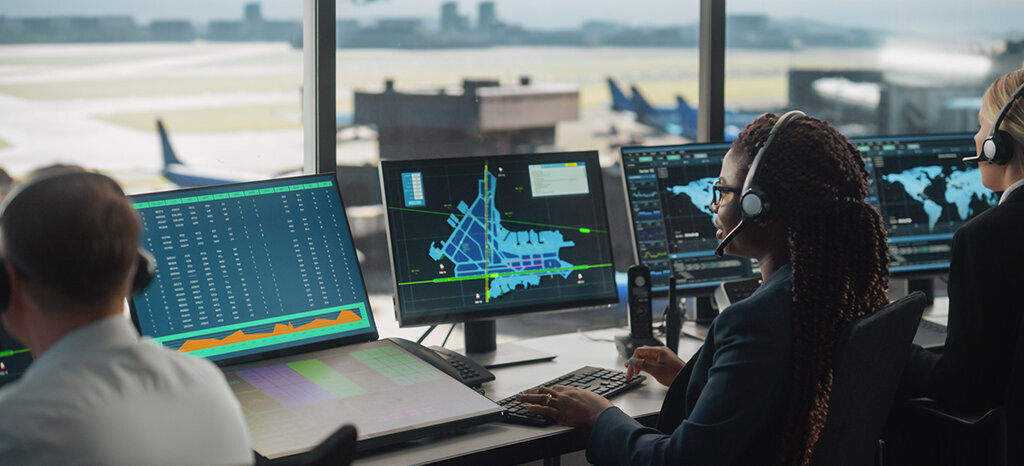
Aviation safety increasingly depends on cybersecurity, which now represents a core operational threat with potential real-world consequences. In this new environment, a digital incident can lead to financial loss, liability exposure and significant operational disruption for any organization.
The need to address this issue is evident in the dramatic uptick in digital threats targeting the sector—a surge of 600% in the last few years by some estimates. Regardless of the magnitude of the increase, one thing is clear: Stakeholders must treat cybersecurity as mission-critical risk management.
While the statistics are sobering, they have also sparked an unprecedented level of innovation and collaboration across the industry. At Global Aerospace, we have seen how a proactive approach can make all the difference in avoiding losses and maintaining business continuity.
Understanding the Modern Threat Landscape
Aviation has become a prime target for cybercriminals due to its critical importance. The sector forms part of essential infrastructure that includes airlines, airports and air traffic control systems, and its economic and geopolitical significance means the consequences of a disruption are truly global. Whether the motive is financial gain or political influence, the risk and potential severity of cyber incidents is substantial.
What cybersecurity experts call the digital “attack surface” is, unsurprisingly, growing rapidly as aircraft become more electrified and connected. Today’s aviation ecosystem (like other technical ecosystems) relies on continuous connectivity, sophisticated avionics and integrated data systems.
While these technologies increase safety and improve the passenger experience, they also create new avenues for aviation cybersecurity threats. From smart airports to complex supply chains involving third-party vendors and maintenance providers, the more integrated systems become, the more we must prioritize vigilance.
Common Vulnerabilities and Aviation Cyber Risk
Cyber threats can take many forms, but a few categories currently dominate the landscape. Ransomware attacks are particularly concerning because they have the power to shut down operations entirely.
Beyond ransomware, credential theft and unauthorized access account for many digital incidents in the sector. There is also the persistent potential of state-sponsored actors targeting proprietary intellectual property and infrastructure.
Managing aviation cyber risk requires looking at every corner of the ecosystem. It involves understanding how different parts of the industry interact with technology.
- Airlines and flight operators. These organizations must protect flight operations systems and passenger service platforms from interference. This includes safeguarding the data of millions of travelers.
- Airports and ground infrastructure. Modern hubs rely on digital systems for baggage handling, security and access control. A failure in these systems can lead to massive delays and safety concerns.
- Aircraft systems. Modern aircraft are increasingly dependent on software and connectivity. This makes the integrity and robustness of flight deck systems top priority for engineers.
- Manufacturers and OEMs. Original equipment manufacturers must constantly contend with the risk of hacking and intellectual property theft. Such crimes could compromise their competitive edge and the safety of their products.
Aviation Cybersecurity Best Practices: Taking a Proactive Approach to Digital Protection
Despite the complexity of these threats, there is reason for optimism. The industry is not standing still. Aviation frameworks from organizations like ICAO are being established to provide clear guidance. Both the FAA and EASA have launched major initiatives to standardize security across borders.
Additionally, we are seeing the integration of cyber risk into traditional Safety Management Systems. This means that digital security is becoming part of the same rigorous safety culture that has made aviation the safest mode of transport in the world.
Organizations are quickly moving from reactive measures, in which they deal with the aftermath of a cyberattack, to proactive security strategies designed to prevent successful attacks. But what does this mean in practice?
The transition involves identifying critical systems and adopting modern strategies such as Zero Trust Architecture (ZTA). This approach requires continuous verification for any user or system trying to access a network. It assumes that threats can come from anywhere and focuses on minimizing the potential impact of a breach.
Employee training and “human factors” awareness are also essential. Team members should be educated about issues like phishing scams and credential hygiene to minimize the risk to their organizations.
The Role of Insurance in Aviation Cybersecurity
Insurance serves as a vital tool in the broader risk management strategy. It is no longer just about paying claims after something goes wrong. Organizations are partnering with their insurers for risk mitigation and long-term resilience.
The opportunity for collaboration between insurers and aviation organisations is clear. It is also crucial. By presenting a unified front to cybercriminals, we can mitigate the impact of cyberattacks (even successful ones), ensuring they do not trigger catastrophic losses.
Our teams work closely with stakeholders to create customized solutions that address these modern challenges. This consultative and holistic approach allows aircraft owners and operators to focus on flying, knowing they have a strong financial safety net in place.
Whether you are a small flight department or a major manufacturer, the goal remains the same: ensuring that a digital disruption does not compromise your mission, your financial stability, or your customers safety.
The Future of Innovation and Cybersecurity
Looking ahead, the industry is embracing advanced technologies in many ways to defend against attacks. Artificial intelligence is being used to create automated defense systems that can detect and respond to threats faster than any human could. These systems can identify patterns and anomalies that might indicate a breach before it causes damage.
As Advanced Air Mobility expands (including drones and electric vertical takeoff and landing systems), stakeholders are wisely insisting that the systems be developed from the ground up with security as a top priority. This “secure by design” philosophy is a major step forward for the industry. It ensures that new technologies are not just efficient but also have robust protection against digital interference.
This commitment to security is reflected in our own investment in technology and innovative culture. We believe that by supporting our clients through programs like SM4 Safety, we can help build a more secure future for the entire aerospace community. Our goal is to stay ahead of the curve so that our clients can innovate with confidence.
Final Thoughts
Without question, cyberattacks will continue. However, the industry must not be discouraged by the challenges we face. Instead, we must maintain a sharp focus on dual objectives: preventing successful attacks to the degree possible and being resilient when incidents inevitably occur.
Fostering a culture of shared intelligence and collaboration can make the skies safer for everyone. Cybersecurity in aviation is not just an IT department concern. It is a business advantage and a fundamental pillar of modern aviation safety.
About Global Aerospace
Global Aerospace has a century of experience and powerful passion for providing aviation insurance solutions that protect industry stakeholders and empower the industry to thrive. With financial stability from a pool of the world’s foremost capital, we leverage innovative ideas, advanced technology and a powerful synergy among diverse team members to underwrite and process claims for the many risks our clients face. Headquartered in the UK, we have offices in Canada, France, Germany and throughout the United States. Learn more at https://www.global-aero.com/
Global Aerospace Media Contact
Suzanne Keneally
Vice President, Group Head of Communications
+1 973-490-8588