
Executive Summary
Dr. Trish Leigh & Co., helps individuals address the neurological effects associated with repeated exposure to highly stimulating digital content through neurofeedback and qEEG Brain Mapping. Operating for more than 25 years, Dr. Trish expertise combines advanced brain assessment with personalized neurofeedback training to support healthier brain function, attention, and emotional regulation. By addressing underlying neurological patterns rather than symptoms alone, Dr. Trish Leigh & Co. provides specialized programs for attention regulation, anxiety management, and other brain-based recovery needs.
July 14, 2026 – Dr. Trish Leigh & Co. has released comprehensive information examining how repeated exposure to highly stimulating content may influence the brain's reward system, attention, and emotional regulation, along with the role of neurofeedback in recovery. As awareness of how highly stimulating content affects the brain continues to grow, many people remain unaware that qEEG Brain Mapping measures how the brain is functioning, helping personalize neurofeedback treatment. The practice combines brain-based assessment with personalized neurofeedback to support healthier brain function and emotional well-being.
Among the most significant effects of repeated exposure to highly stimulating content is its impact on the brain's reward system. As the brain becomes less responsive to everyday rewards, activities that once felt enjoyable—such as spending time with family, exercising, or pursuing hobbies—may no longer provide the same sense of satisfaction. Dr. Trish Leigh & Co. provides educational resources that explain how highly stimulating content influences the brain, helping people understand these changes and how personalized neurofeedback may support recovery.

Building on those insights, neurofeedback helps retrain the brain by reinforcing healthier patterns of activity. Through its Neurofeedback to Overcome Erectile Dysfunction program, Dr. Trish Leigh & Co. provides a personalized recovery program that uses real-time feedback to encourage healthier brainwave patterns. As brain function becomes more regulated, clients may experience improved impulse control and healthier responses to everyday rewards by addressing underlying neurological patterns rather than focusing solely on symptom management.
Recovery also depends on factors beyond neurofeedback alone. As a brain health coach, Dr. Trish Leigh & Co. helps clients understand how disrupted sleep can make neurological recovery more difficult. For example, someone who sleeps poorly may find it harder to concentrate, regulate emotions, or maintain healthy daily routines, making meaningful recovery more challenging. Educational resources on how excessive digital stimulation affects sleep explain how improving sleep supports healthier brain function and long-term recovery.

"Recovery is often easier when people address these changes early instead of waiting for unhealthy patterns to become more deeply established," said Dr. Trish Leigh, Founder of Dr. Trish Leigh & Co. "For example, someone who recognizes declining motivation, emotional instability, or increasing dependence on highly stimulating content may have more options than someone who waits until those patterns become part of daily life. Early intervention gives the brain a better opportunity to adapt and recover."
How Dr. Trish Leigh & Co. Supports Recovery from Neurological Overstimulation
Dr. Trish Leigh & Co. recognizes that PIED and related conditions often stem from changes in brain function rather than character flaws or lack of willpower. As a neurofeedback expert, Dr. Trish Leigh uses brain-based training to help clients build healthier patterns of activity and improve self-regulation. For clients struggling with focus or anxiety, treatment may support everyday improvements such as staying engaged in conversations, completing tasks, managing stress, and responding more calmly to daily challenges.
Recovery extends beyond reducing symptoms. Many clients report stronger motivation, greater confidence, and a renewed ability to enjoy everyday experiences as healthier brain function restores natural reward responses. Improvements may become noticeable in everyday situations, such as following through on responsibilities, handling stress without spiraling, or finding enjoyment in activities that once felt uninteresting.
Key Features and Facts
Services: qEEG Brain Mapping, personalized neurofeedback, Brain Health Coach services, and recovery programs addressing stimulation-related neurological concerns
Recovery Timeline: Many clients notice improvements in impulse control within the first few weeks, with continued progress as healthier brain patterns develop over time.
Experience: More than 25 years of clinical experience helping clients improve brain function through personalized neurofeedback and brain-based recovery strategies.
Frequently Asked Questions
Q: What does neurofeedback training do?
A: Neurofeedback helps the brain develop healthier patterns of activity through real-time feedback. As the brain learns to regulate itself more effectively, many clients experience improvements in attention, emotional regulation, impulse control, and their response to everyday rewards.
Q: How long does recovery typically take?
A: Recovery varies from person to person, but many clients notice improvements in impulse control within the first few weeks of treatment. Continued progress often occurs over time as healthier brain activity patterns become more consistent.
Q: Why is early intervention important?
A: Addressing neurological changes early may make recovery easier because unhealthy brain patterns have had less time to become established. Beginning treatment sooner can support healthier brain function before those patterns become more deeply ingrained.
To learn how personalized neurofeedback and qEEG Brain Mapping can support healthier brain function and recovery, visit https://drtrishleigh.com.
About Dr. Trish Leigh & Co.
Dr. Trish Leigh & Co. helps people better understand the relationship between brain function, behavior, and long-term well-being through neuroscience-based education, personalized brain training, and advanced qEEG Brain Mapping. Her practice combines clinical experience with practical guidance from a neurofeedback expert to help clients make informed decisions about their cognitive and emotional health. Its approach emphasizes education alongside treatment, helping individuals better understand the science behind lasting brain health.
###
Media Contact
Dr. Trish Leigh & Co.
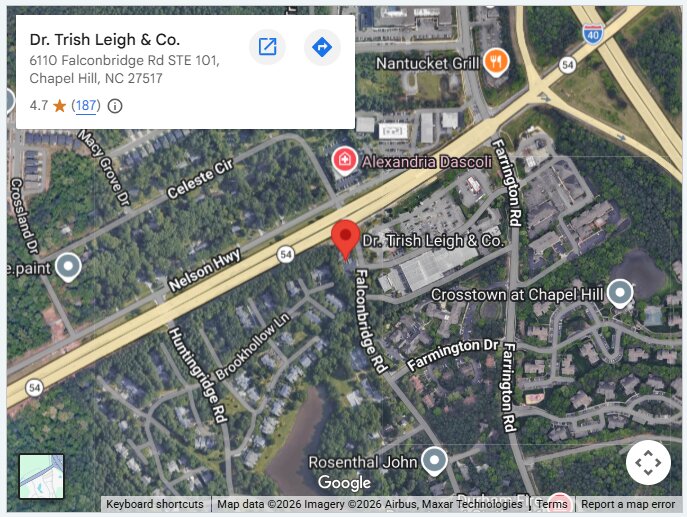
Address: 6110 Falconbridge Rd STE 101, Chapel Hill, NC 27517
Phone: (888) 646-3806
Website: https://drtrishleigh.com/
Email: [email protected]
Facebook: www.facebook.com/drtrishleigh/
X/Twitter: x.com/DrTrishLeigh
LinkedIn: www.linkedin.com/in/dr-trish-leigh-2742129a/
Instagram: www.instagram.com/dr.trishleighofficial
Disclaimer:
Any advice or guidelines revealed here are not even remotely a substitute for sound medical advice from a licensed healthcare provider. Make sure to consult with a professional physician before making any purchasing decision if you use medications or have concerns following the information and details shared above. Individual results may vary as the statements made regarding these products have not been evaluated by the Food and Drug Administration. The efficacy of these products has not been confirmed by FDA-approved research. These products are not intended to diagnose, treat, cure or prevent any disease.
*These statements have not been evaluated by the U.S. Food and Drug Administration. This product is not intended to cure or treat any disease.