The Texas Law Dog outlines steps Dallas residents can take after a dog bite, from getting medical attention to reporting the incident and keeping records. The firm's Dallas dog-bite information also explains how the circumstances of an attack can affect a potential injury claim.
A bite can leave someone trying to arrange treatment while also finding out who owns the dog. Medical care comes first. Details collected once the person is safe can help animal services investigate and give an attorney a clearer account of what happened.
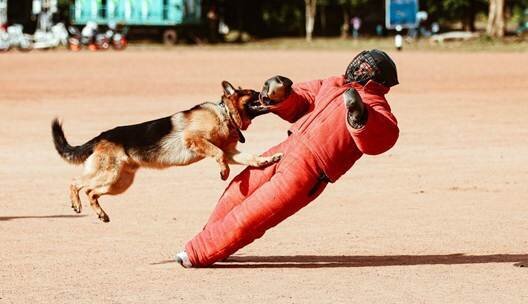
Illustrative image of a dog training exercise.
Medical care comes first
The immediate priority is to move away from the animal without trying to catch or restrain it. A person facing an ongoing attack or needing emergency medical assistance should call 911.
The Centers for Disease Control and Prevention advises washing minor bite wounds thoroughly with soap and water and covering them with a clean bandage. For deep wounds, pressure with a clean cloth can help control bleeding while medical help is sought. Bleeding that will not stop, faintness or weakness requires emergency assistance.
A small mark does not necessarily mean a minor injury. Medical assessment is particularly important for deep wounds, signs of infection or uncertainty about the dog's rabies vaccination. The clinician needs to know when the bite happened and the person's vaccination history.
Tetanus treatment depends on both the wound and previous vaccinations. For someone who has completed the primary series, a booster is generally recommended for an animal bite if the last dose was at least five years ago. Unknown or incomplete vaccination histories need a different assessment. Rabies decisions belong with medical and public-health professionals; the dog's appearance alone cannot settle the question.
Report the bite and identify the animal
Dallas Animal Services requires people bitten or scratched by an animal to report the incident through 311 or the Dallas 311 mobile app. Doctors and medical facilities must also report dog bites.
When it is safe, useful details include the owner's name, address and telephone number, along with the dog's vaccination records. For a loose or unidentified dog, the location, direction of travel and a description can help. Nobody should delay treatment or pursue an animal to obtain that information.
Texas rabies-control procedures generally involve a 10-day observation quarantine for a biting dog or testing as directed by the responsible authorities. Reporting gives officials the opportunity to locate the animal and determine the appropriate response.
Keep records of treatment and the scene
Once urgent needs have been addressed, photographs can record the wound and the place where the bite occurred. Images of a damaged fence or an open gate may be relevant. Witness names and contact details are useful, particularly if accounts later differ.
The medical file matters too. Discharge instructions, prescriptions, bills and records of follow-up appointments help document treatment. Notes about missed work and continuing symptoms can fill gaps that a photograph cannot. Original files and messages should be kept, along with the animal-services report number.
Legal responsibility depends on the circumstances
Texas animal-injury law may involve strict liability for an animal with known dangerous tendencies or a negligence claim based on a failure to use reasonable care. The phrase "one-bite rule" can be misleading: a previous bite is not the only evidence that may matter, and the absence of one does not automatically defeat a negligence claim.
A Texas Law Dog dog bite lawyer in Dallas can assess the available evidence and explain potential legal options. Depending on the facts, recoverable losses may include medical expenses, lost earnings, pain and disfigurement. Neither liability nor a particular payment is guaranteed.
Texas generally allows two years to bring a personal-injury lawsuit, although exceptions can affect the deadline. Reporting an incident to animal services is separate from filing a lawsuit.
Follow-up care and prevention
Increasing redness, swelling, pain or fever after a bite calls for prompt medical advice. Follow-up appointments also allow clinicians to assess healing and any loss of movement or function.
The American Veterinary Medical Association's dog bite prevention guide provides further information for households with dogs. Practical precautions include supervising children around animals, asking permission before petting and leaving dogs undisturbed while they eat or sleep.
About The Texas Law Dog
The Texas Law Dog is a Texas personal-injury law firm led by attorney Matthew Aulsbrook. Its practice includes dog-bite and other injury claims, with an office serving Dallas.
This release provides general information. Medical treatment and legal advice should be based on the individual circumstances.
Media Contact
Company: The Texas Law Dog
Contact name: Jake Penrice
Address: 4448 West Jefferson Blvd, Suite 308B, Dallas, TX 75211, United States
Website: https://thetexaslawdog.com/