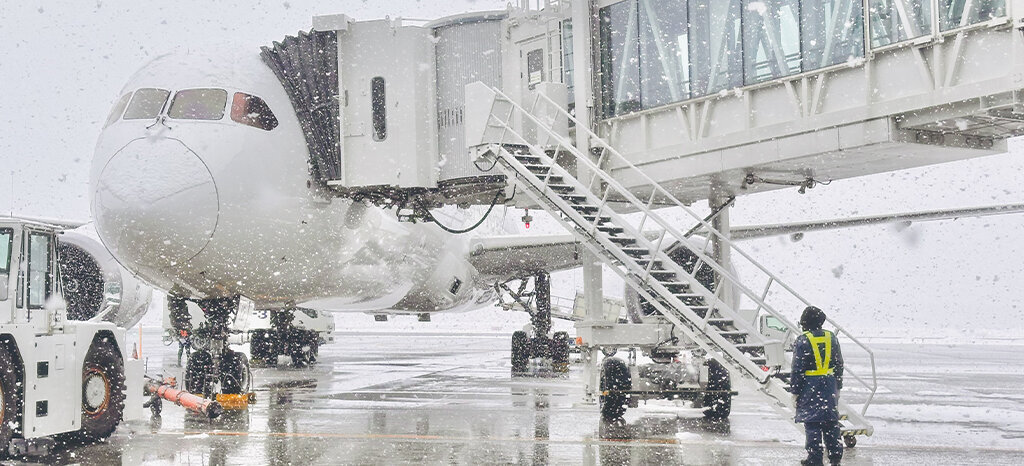
The connection between extreme weather and aviation is one that is increasingly important to stakeholders today. Volatile and severe weather conditions can disrupt flight schedules, increase the stress on ground assets and personnel and introduce more difficulty into flight planning processes.
As the link between climate change and aviation takes center stage, the need to identify potential aviation operational disruptions and take appropriate action to avoid or minimize them is crucial. Rather than causing occasional and isolated scheduling friction, severe weather now represents a significant systemic risk that must be addressed.
This Global Aerospace article considers where and how meteorological shifts are affecting aviation and the steps that stakeholders can take to minimize the impact.
Thermal Extremes and Aircraft Performance Limitations
“Severe weather” doesn’t always mean violent storms. Excessive or prolonged high heat is another type of extreme weather that can cause airport disruptions or adversely affect aircraft.
Extreme ambient surface temperatures decrease air density, which reduces wing lift and can affect engine output and thrust during takeoffs. So-called high-density-altitude conditions can force aircraft dispatchers to reduce payloads, offload freight or ground flights entirely until local temperatures cool.
Prolonged heatwaves can also soften and deform asphalt surfaces like taxiways, expand joint seals and increase the stress on mechanical cooling equipment on passenger support vehicles and avionics systems.
Additionally, extended high heat on the tarmac can degrade rubber, decreasing tire life. It can also increase the heat of hydraulic assemblies, necessitating more frequent inspections and maintenance.
Clear-Air Turbulence and Volatility in the Upper Atmosphere
Research suggests that there is a direct correlation between turbulence and climate change. Specifically, warmer temperatures can alter the behavior of the jet stream, creating stronger vertical wind shear at cruising altitudes.
Clear-air turbulence (CAT) occurs in cloudless skies without the visible cues pilots have historically relied on to anticipate rough air. CAT effectively leaves aircrews reliant on advance advisories or reports from pilots on other aircraft.
While minor turbulence might only cause mild discomfort, severe turbulence (especially CAT that typically strikes without warning) can cause passenger and cabin-crew injuries and unplanned flight path diversions. It can also necessitate more frequent structural stress checks on wings and require abrupt changes to ground operations.
Flight planners and schedulers increasingly find themselves having to consider weather-related aviation risks and use alternate routes to avoid intensifying upper-level shear zones. These zones affect many aspects of aviation, including safety and fuel consumption.
Airport Resilience: Protecting Infrastructure From Flooding and Storms
Beyond the flight risks posed by extreme weather, stakeholders are being forced to assess and address aviation infrastructure resilience. For example, many air terminals are located on low-lying coastal land, river basins or reclaimed wetlands.
As a result, they face increasing risks related to torrential rains, flash flooding and rising sea levels. Heavy downpours can produce runoff that overwhelms airport retention basins, submerges runway lighting and disables buried electrical infrastructure.
Physical assets can be protected and airport resilience can be enhanced, but it requires time, effort and capital. That starts with facility planners conducting comprehensive vulnerability reviews. Based on their assessments, they can determine what actions are needed, from building higher-capacity stormwater retention ponds to implementing elevated backup generators, fuel farms and passenger facilities.
Operational Strain and Business Interruption From Extreme Weather
Whether for general aviation or airlines, disruptions from extreme weather events tend to create a cascade effect. Local airport delays or shutdowns quickly lead to downstream aircraft and crew dislocations that ripple across regional, national and even international flight networks.
Ground stops and diversions can also trigger massive unanticipated operational expenses, including passenger lodging, crew re-positioning, unscheduled maintenance and associated costs. Additionally, extended runway closures stop cargo deliveries, interrupting supply chains and potentially triggering financial penalties for deferred freight.
Bottom line: Volatile weather destabilizes normal flight cadences, eroding earnings for flight operations and complicating fleet utilization plans.
Enhancing Systems and Infrastructure To Address Extreme Weather and Aviation Challenges
As extreme weather becomes more common, the industry is evolving to address the new challenges.
For example, next-generation risk tools use real-time radar data, dynamic wind-shear models and automated flight deck alerting to make it easier for flight crews to avoid dangerous atmospheric conditions. Other changes cover the spectrum from physical protection, such as advanced ground crew and asset thermal protection practices, to business risk mitigation, like dynamic scheduling.
Adaptability is one of the hallmarks of aviation. Ultimately, stakeholders will develop strategies and implement new technologies to keep the industry moving forward, regardless of the weather.
Frequently Asked Questions About Extreme Weather and Aviation
How does extreme weather affect aviation?
Extreme conditions can compromise aircraft climb performance, generate sudden clear-air turbulence, flood runways, damage electronic ground support infrastructure and cause nationwide flight disruptions.
How does climate change affect aviation risk?
Changing temperatures increase the frequency of low air-density ground stops, heighten wind shear at cruising altitudes and decrease asset life spans, from airport equipment to airframes.
What extreme weather events pose the greatest risk to airports?
Flash flooding, storm surges, high-velocity straight-line winds and extended extreme heat waves represent some of the most serious threats to physical airfield assets and ground worker safety.
How can airports prepare for extreme weather?
Key steps operators can take to protect airports from severe weather include strengthening flood retaining walls, raising electrical substations above historical flood levels, installing heat-tolerant runway surfaces and upgrading on-site drainage.
Can extreme weather damage aircraft?
Severe hail can damage airframe skins, high crosswinds can stress landing gear, lightning strikes can compromise composite structures and extreme atmospheric shear tests airframe fatigue margins.
How does extreme weather cause flight delays and cancellations?
When lightning, low visibility or standing water on runways forces a ground halt, aircraft cannot depart or land safely, stranding crews and disrupting downstream flight rotations.
What is airport climate resilience?
Airport climate resilience is an airfield’s ability to withstand and efficiently recover from severe environmental events without extended delays or interruptions to critical operations.
How can aviation companies manage weather-related business interruption?
Airlines address weather volatility in many ways, including through dynamic rerouting software, flexible crew management and climate-adjusted insurance strategies.
About Global Aerospace
Global Aerospace has a century of experience and powerful passion for providing aviation insurance solutions that protect industry stakeholders and empower the industry to thrive. With financial stability from a pool of the world’s foremost capital, we leverage innovative ideas, advanced technology and a powerful synergy among diverse team members to underwrite and process claims for the many risks our clients face. Headquartered in the UK, we have offices in Canada, France, Germany and throughout the United States. Learn more at https://www.global-aero.com/
Global Aerospace Media Contact
Suzanne Keneally
Vice President, Group Head of Communications
+1 973-490-8588