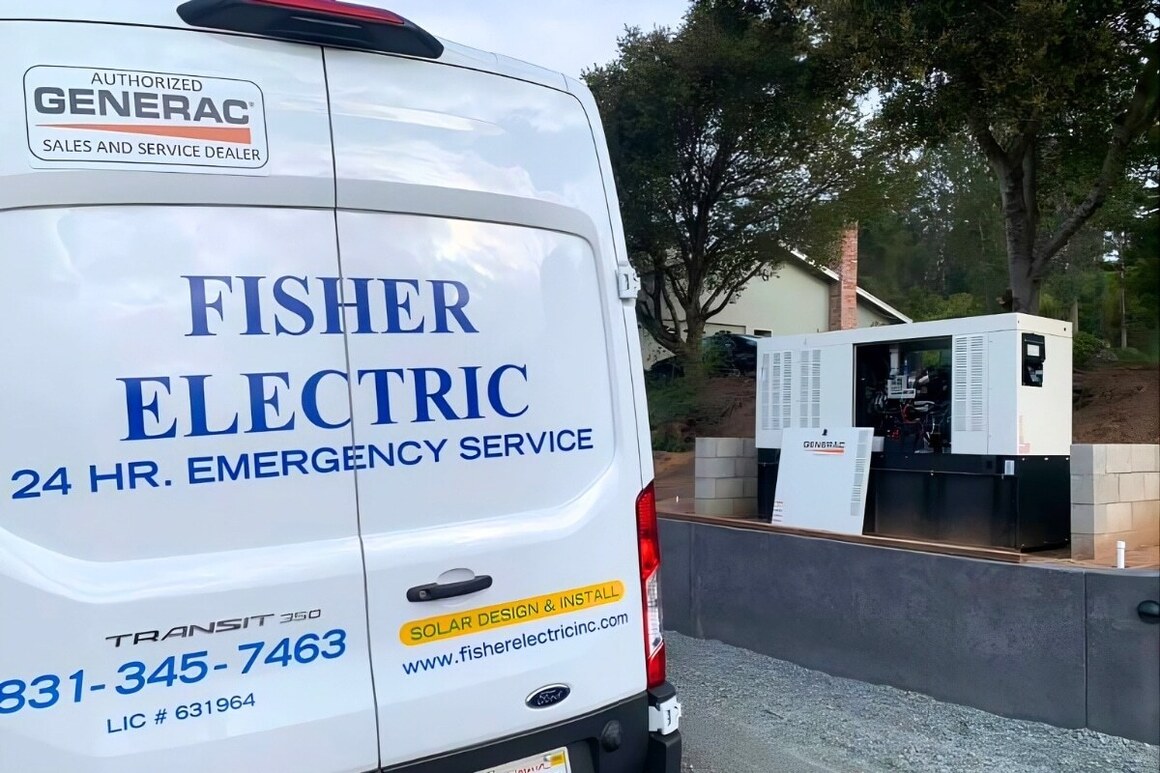
A generator that hasn't been maintained through the summer is often a generator that won't start when you need it most. Fisher Electric Inc., a licensed electrical contractor serving California's Central Coast, has released a practical homeowner resource addressing one of the most overlooked aspects of summer home preparedness: Maintaining Your Generator During the Summer Heat. The guide is now being shared with homeowners in Mt. Hermon and Scotts Valley, two Santa Cruz County communities that know firsthand how quickly a grid outage can upend daily life.
The guide cuts through the assumptions many homeowners make about backup generators, chiefly that a unit purchased and stored in the garage is ready to run whenever needed. In practice, summer heat creates a specific set of stresses on generator components that, left unaddressed, cause units to sputter out or fail at the worst possible moment: when the air conditioning has gone silent, and the refrigerator is beginning to warm.

"Most generator failures during a power outage are the result of missed or neglected maintenance. Things like stale fuel, corroded spark plugs, and oil that's thinned out in a hot garage are all preventable. We put this guide together because we'd rather homeowners catch these things before an outage hits."
— Mike Fisher, Fisher Electric Inc.
Four Systems That Summer Heat Compromises
The guide walks homeowners through the four generator systems most vulnerable to summer conditions, with specific, actionable checks for each:
Air Intake & Cooling Vents: Grass clippings, dust, and spider webs accumulate in vents over weeks, restricting airflow and forcing the engine to run hotter.
Check the air intake every few weeks and wipe down exterior vents throughout the season.
Fuel Quality & Storage: Gasoline in a hot garage can varnish in as little as 30 days, gumming the fuel system and killing startup. Use a stabilizer for any tank sitting more than two weeks — or run the engine dry before storage.
Oil Level & Condition: Air-cooled engines have no liquid cooling, so oil alone fights heat friction. High temps cause it to thin and evaporate faster than expected. Check the dipstick before every extended run and replace anything black and gritty.
Spark Plug & Electric Start Battery: Humidity corrodes spark plug contacts, preventing ignition when it matters most. Inspect the plug once per season. For electric-start models, a trickle charger between uses and a monthly test run keeps the battery ready.
Why This Matters for Mt. Hermon and Scotts Valley
Santa Cruz County's mountain communities face a specific challenge during summer: the same heat that stresses generator components also drives the wildfire conditions behind Public Safety Power Shutoffs (PSPS). For homeowners in Mt. Hermon and Scotts Valley, a generator that fails at startup during a PSPS or wildfire-driven outage is not a minor inconvenience — it can mean hours or days without cooling, refrigeration, or medical equipment. Catching a corroded spark plug or stale fuel tank before that moment is exactly what this guide is designed to help homeowners do.
Homeowners whose units are exhibiting performance issues, or who want a professional inspection before peak outage season are encouraged to schedule a service call through fisherelectricinc.com or call (831) 531-9800.
About Fisher Electric Inc.
Fisher Electric Inc. is a licensed electrical contractor serving homeowners and businesses across California's Central Coast, with deep roots in Santa Cruz County communities including Scotts Valley, Mt. Hermon, and the surrounding region. The company specializes in whole-home generator installation, electrical repair, panel upgrades, and seasonal electrical services. To read the full generator maintenance guide or schedule a service call, visit fisherelectricinc.com or call (831) 531-9800.
###
Media Contact
Company: Fisher Electric
Contact: Mike Fisher
Address: 35 Buttermilk Ln, Scotts Valley, CA 95066
Email: [email protected]
Phone: (831) 531-9800
Website: fisherelectricinc.com